Conserving freshwater biodiversity in US protected areas – Management intervention and the RAD Framework
9/07/26
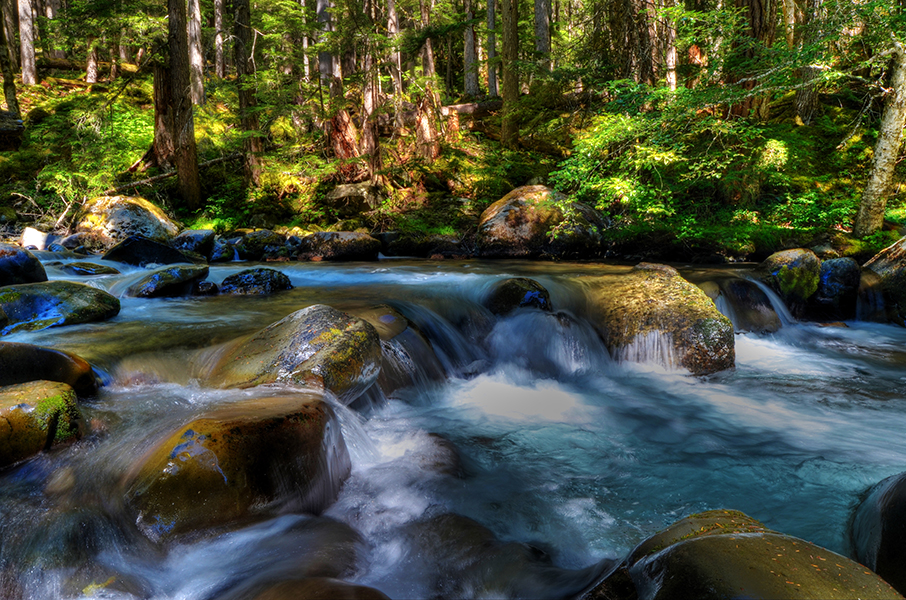
A new report by ALWRI Research Ecologist Kellie Carim and her colleagues review federally protected areas of the United States and their varied ability to support freshwater biodiversity, considering past management approaches through the lens of the Resist-Accept-Direct Decision-making framework.
Nature reserves and national parks are our best tools for saving wildlife, but whether they are successful at protecting freshwater species like fish, frogs, and river plants deserves more consideration.
Because most protected areas were designed for land animals, they often ignore the unique needs of rivers and lakes. Decades of human pollution, combined with accelerating climate change, are rapidly transforming these aquatic habitats. While park managers want to help, they are often handcuffed by strict "hands-off" rules that prevent them from intervening.
To break this gridlock, a new strategy called the RAD framework is helping managers choose between three distinct options for a changing environment:
• Resist: Fight back against change to keep the ecosystem exactly as it historically was (e.g., cooling a stream to save native trout).
• Accept: Let nature take its course and allow the ecosystem to transform without human interference (e.g., letting a drying wetland turn into a meadow).
• Direct: Actively guide the change toward a new, healthy ecosystem, even if it looks different from the past (e.g., introducing new fish species that can survive in warmer waters).
By looking at U.S. federal lands through this lens, Carim and her team demonstrate that managers are already using these tools out in the wild. Formally adopting this flexible mindset may allow us to better protect our lakes and rivers for generations to come.